
A clear treatment plan can help Edmonton patients compare fees, identify possible additional procedures, and make a more informed decision.
Replacing a missing tooth is both a healthcare and financial decision. Dental implants may be considered alongside bridges, partial dentures, and other options, but their cost and treatment process can vary considerably from one patient to another.
Before choosing a provider, Edmonton patients should understand what an estimate includes, which additional procedures may be required, and how treatment stages affect the final cost. A detailed consultation can provide more useful information than comparing advertised starting prices alone.
Understand What an Implant Estimate Includes
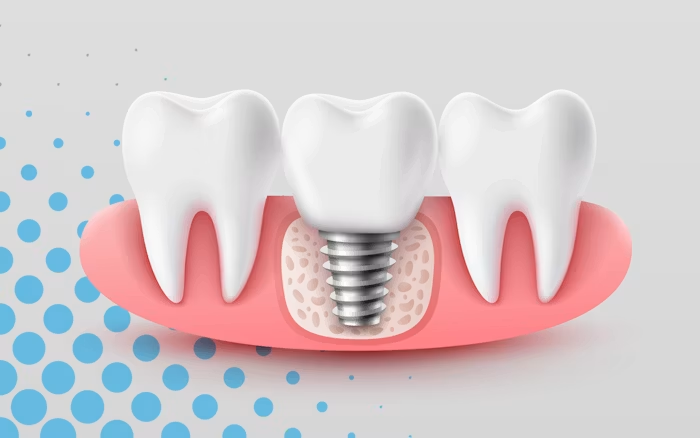
A dental implant is designed to replace a missing tooth root and support an artificial replacement tooth. The Canadian Dental Association identifies implants as one possible alternative to bridges, partial dentures, or complete dentures, depending on the patient’s needs and suitability. Review the Canadian Dental Association’s implant overview for general information about how implants are used.
An estimate may involve several separate components. These can include the examination, diagnostic imaging, implant fixture, abutment, crown, surgical placement, follow-up appointments, and other services related to the treatment plan.
Ask the dental office to provide a written estimate that explains each proposed stage. It should also identify which items are included, which are billed separately, and which procedures may become necessary after examination or imaging.
This makes it easier to compare complete treatment plans rather than two prices that may represent different services.
Account for Possible Additional Procedures
Some patients can proceed directly to implant placement, while others may require preparatory treatment. Existing oral-health concerns, the location of the missing tooth, gum condition, available bone, and previous dental treatment can all influence planning.
Patients researching dental implants Edmonton can review general local treatment information before discussing their individual examination findings, proposed procedures, fees, and timelines with a qualified dentist. The linked clinic resource explains that factors such as the number of implants and possible bone grafting can affect an individual plan.
Online information cannot determine whether someone is an appropriate candidate. A dentist must evaluate the patient’s dental and medical history, examine the mouth, and use appropriate imaging before recommending treatment.
During the consultation, ask whether extractions, periodontal treatment, bone grafting, or another preparatory procedure may be considered. Patients should also ask how each possibility would affect cost, healing time, and the sequence of appointments.
Use Alberta’s Fee Guide as a Reference, Not a Quote
Dental fees are not identical across Alberta. The Alberta Dental Association publishes a suggested fee guide to improve transparency, but individual dentists establish their own fees. The association also notes that the guide may not cover a patient’s particular needs or represent the actual cost of care.
The guide can provide context, but it should not replace a clinic-specific estimate. Implant treatment may involve several procedure codes, laboratory charges, materials, imaging, and services delivered over multiple appointments.
Patients with dental insurance should request a predetermination when available. This can help clarify which services may be covered, the applicable annual limits, and the amount likely to remain the patient’s responsibility. Coverage should be confirmed directly with the insurer rather than assumed from general plan descriptions.
Plan for a Treatment Process, Not One Appointment
Implant treatment usually occurs in stages. The process may include assessment, implant placement, healing, restoration, and ongoing maintenance. The exact sequence depends on the patient’s oral health and proposed treatment.
MyHealth Alberta explains that healing allows bone to develop around the implant and that the process may take months before the replacement tooth is attached. It also notes that patients may experience temporary tenderness or swelling after surgery.
Ask the provider for a personalized timeline showing the expected appointments and healing periods. The plan should explain when temporary tooth-replacement options may be available, when normal activities can usually resume, and what circumstances could extend treatment.
Patients should avoid scheduling important professional or personal commitments based only on a generic online recovery estimate. Individual instructions from the treating dental professional take priority.
Prepare Practical Recovery Questions
Concern about surgery and recovery can make it difficult to evaluate treatment calmly. A useful consultation should explain preparation, anaesthesia or sedation options where applicable, aftercare, diet, oral hygiene, and warning signs that require follow-up.
MyHealth Alberta’s dental-surgery guidance notes that recovery differs by person and procedure. It advises patients to follow their dental professional’s instructions and describes soft foods as one practical consideration during early healing.
Before treatment, ask whom to contact after office hours, when follow-up will occur, and which symptoms require prompt attention. Patients should also discuss medications, smoking or tobacco use, medical conditions, and other factors that may affect the treatment plan.
Compare Providers Using the Complete Care Process
Price matters, but it is not the only useful comparison point. Patients should understand who will perform each stage, how findings will be explained, and what follow-up is included.
Ask each provider to discuss reasonable alternatives, including the benefits, limitations, maintenance needs, and costs of each option. A consultation should also clarify what happens if treatment plans change after imaging or if an implant does not progress as expected.
Ongoing care remains important after the final restoration is placed. Patients should ask how to clean around the implant, how often professional reviews may be recommended, and which maintenance costs are separate from the original estimate.
A careful comparison should leave the patient with a clear diagnosis, written plan, expected timeline, complete estimate, and opportunity to ask questions. That information supports a decision based on individual needs rather than headline pricing.
Make the Decision With Clear Information
Dental implant costs can only be evaluated properly when the full treatment process is understood. Request a written plan, review possible additional procedures, confirm insurance details, and compare both immediate fees and ongoing care requirements.
A personal dental assessment remains necessary to determine suitability and develop recommendations. Patients who understand the proposed treatment, alternatives, costs, and follow-up expectations are better prepared to make an informed decision.
Additional Resources
Edmonton dental implants — Review general information about implant assessment, treatment planning, cost considerations, and local consultation options.


